
English immersion
All instruction and communication are in English. Children don't memorize words; they think and play in English.
Here they read in English.
A small preschool in a garden home. Everything in English. Every child advances at their own pace.
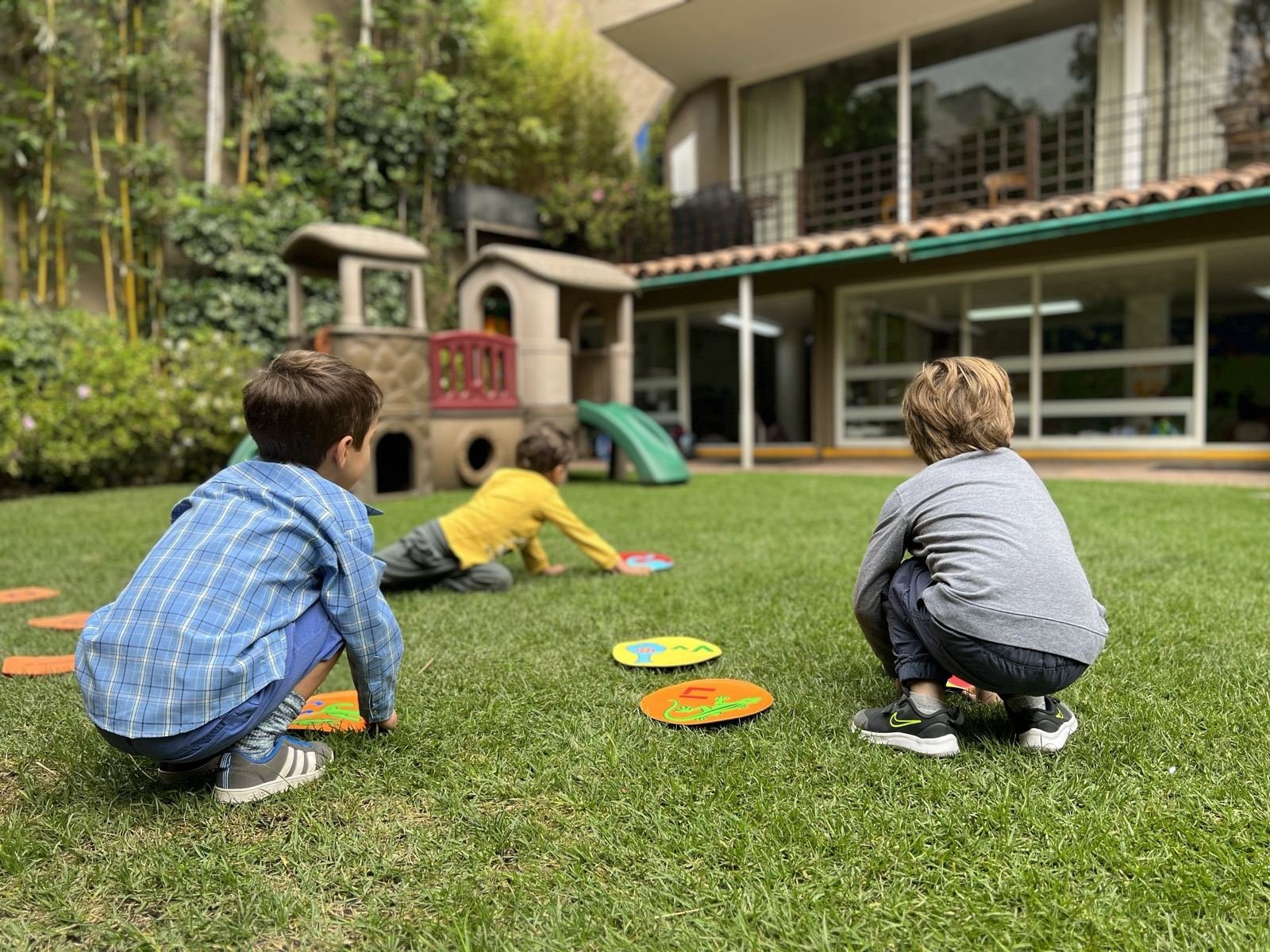
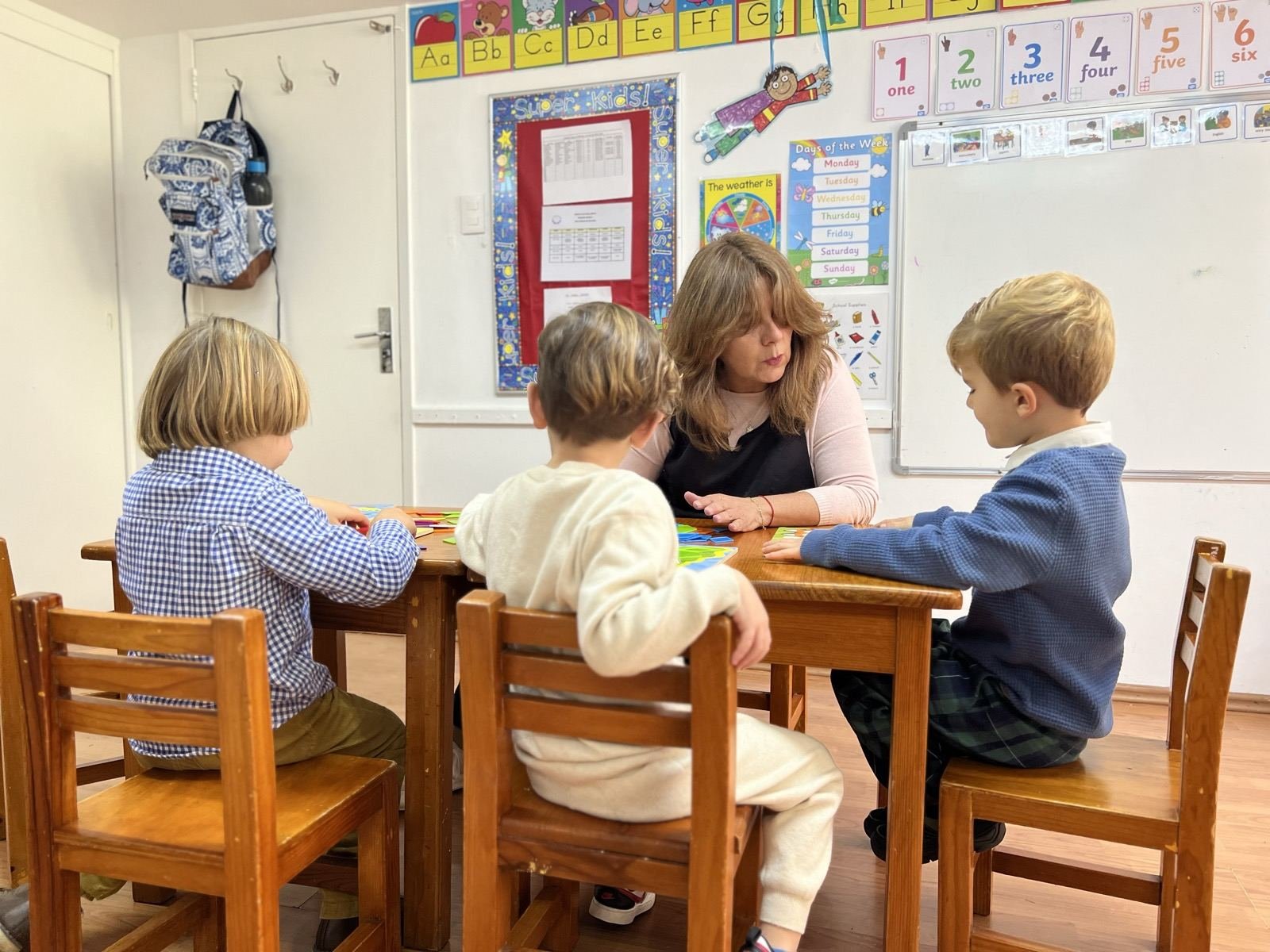

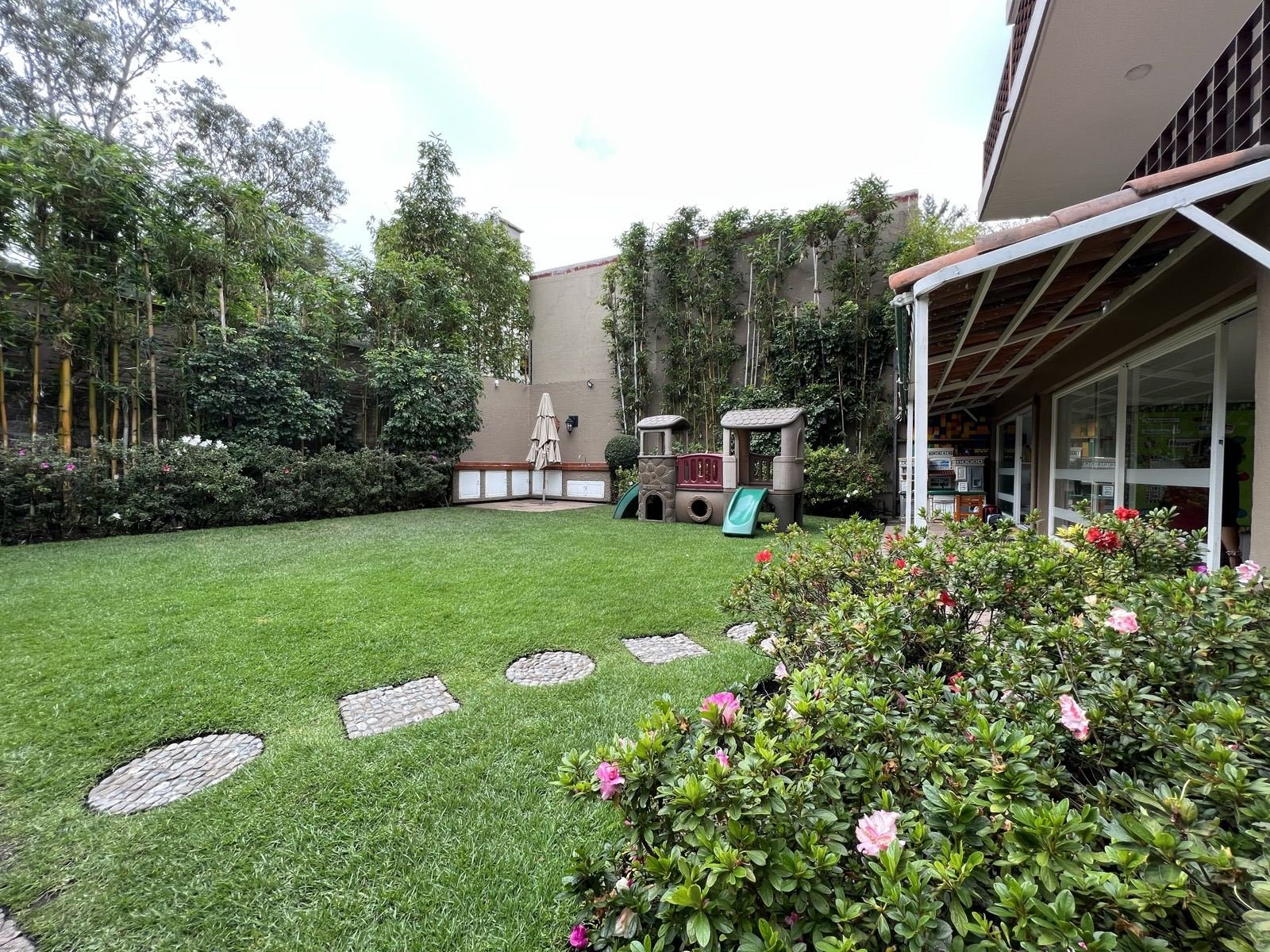
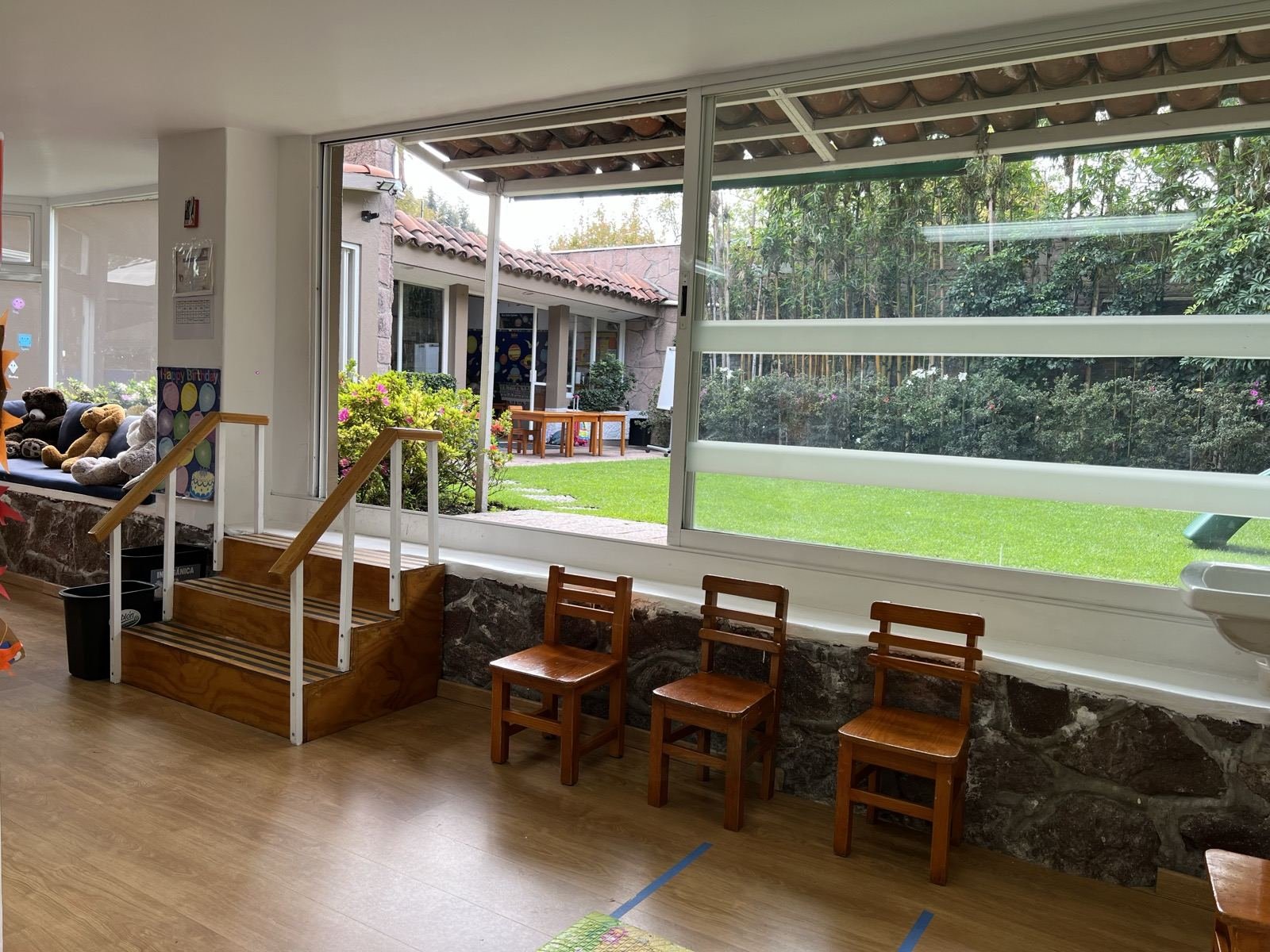
The school lives on the ground floor of a family home. Every classroom opens onto the garden and is full of morning light.
Six things parents don't find anywhere else.
All instruction and communication are in English. Children don't memorize words; they think and play in English.
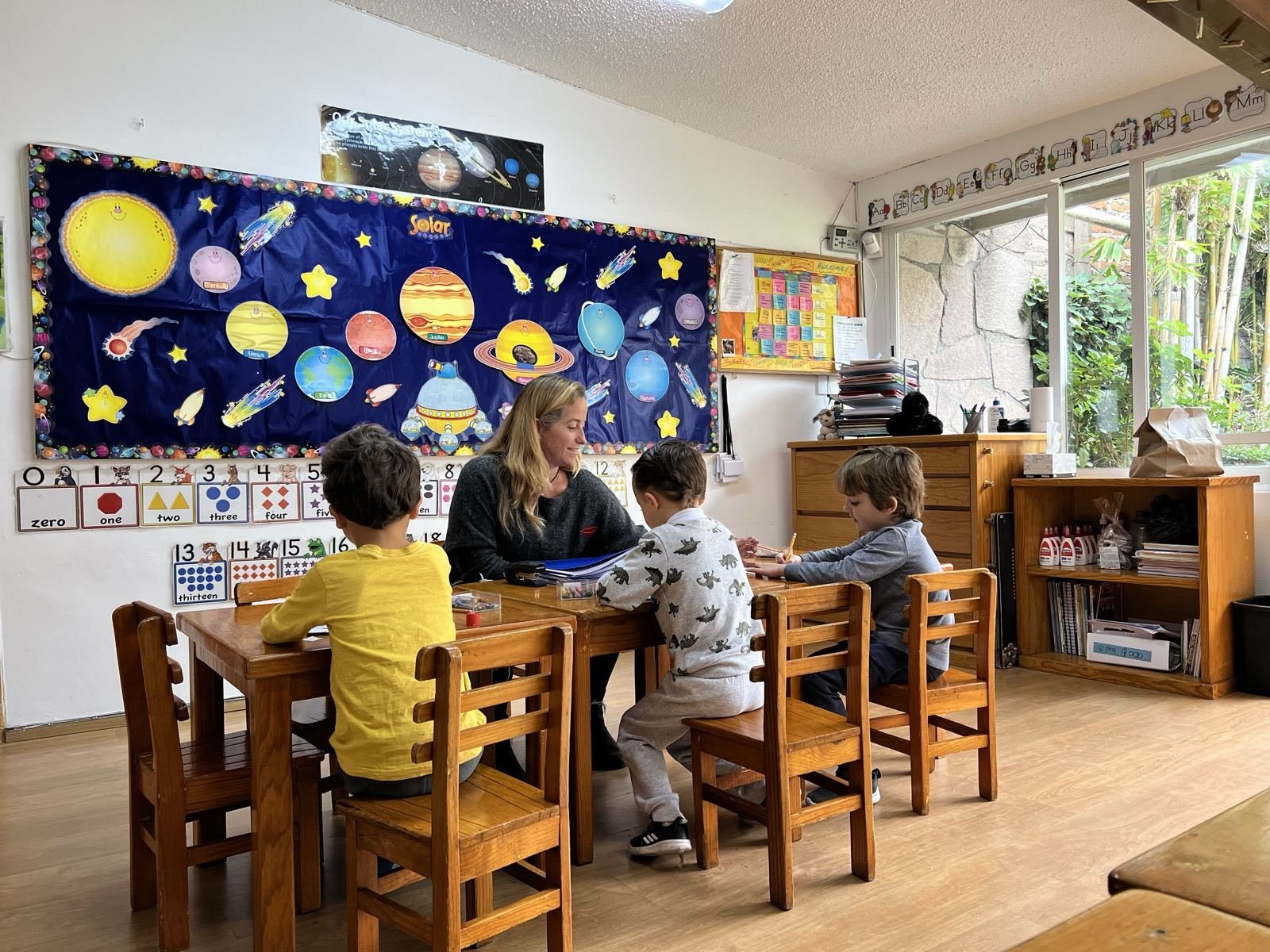
Nobody waits and nobody is left behind. A child reading whole sentences and a classmate still learning sounds share the same table.
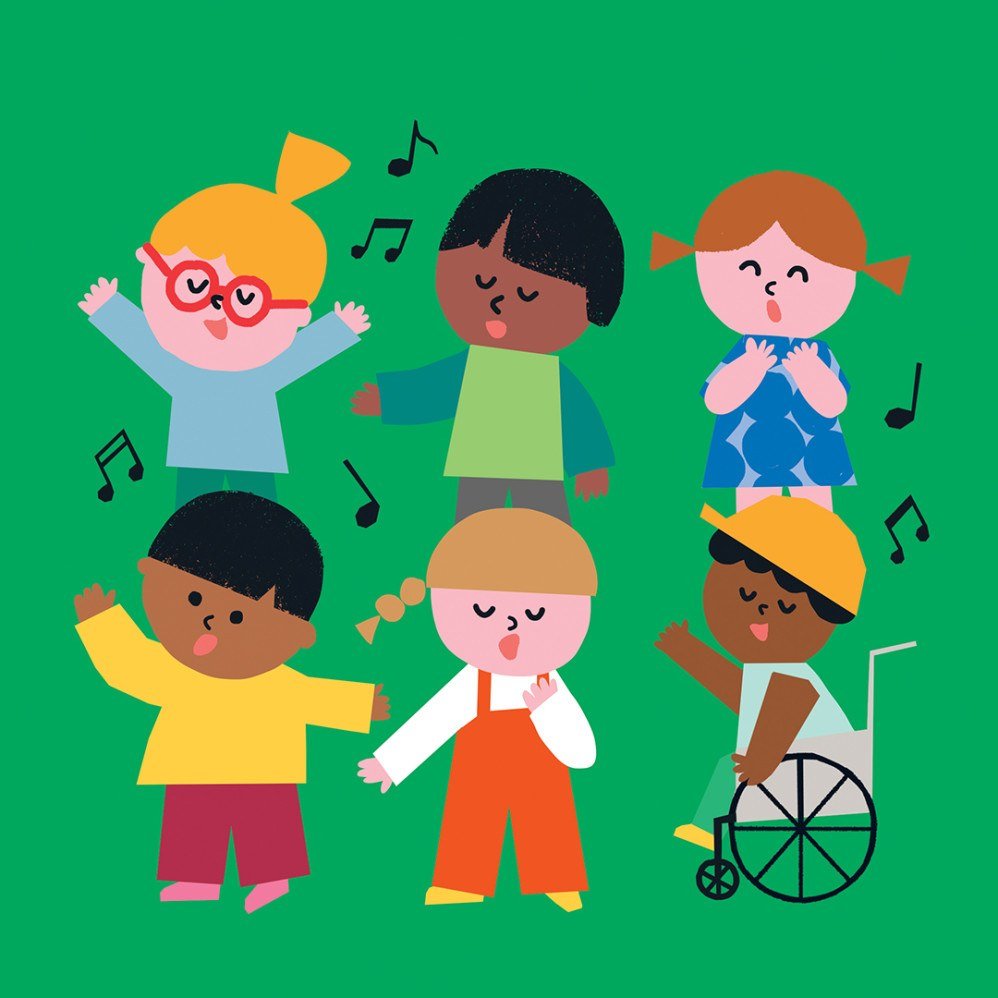
We welcome families from all backgrounds, abilities and experiences. There is no entrance exam. We like to meet the parents, but your child's level won't make a difference.

Native or fully fluent English speakers who notice what a child needs long before a big school would.
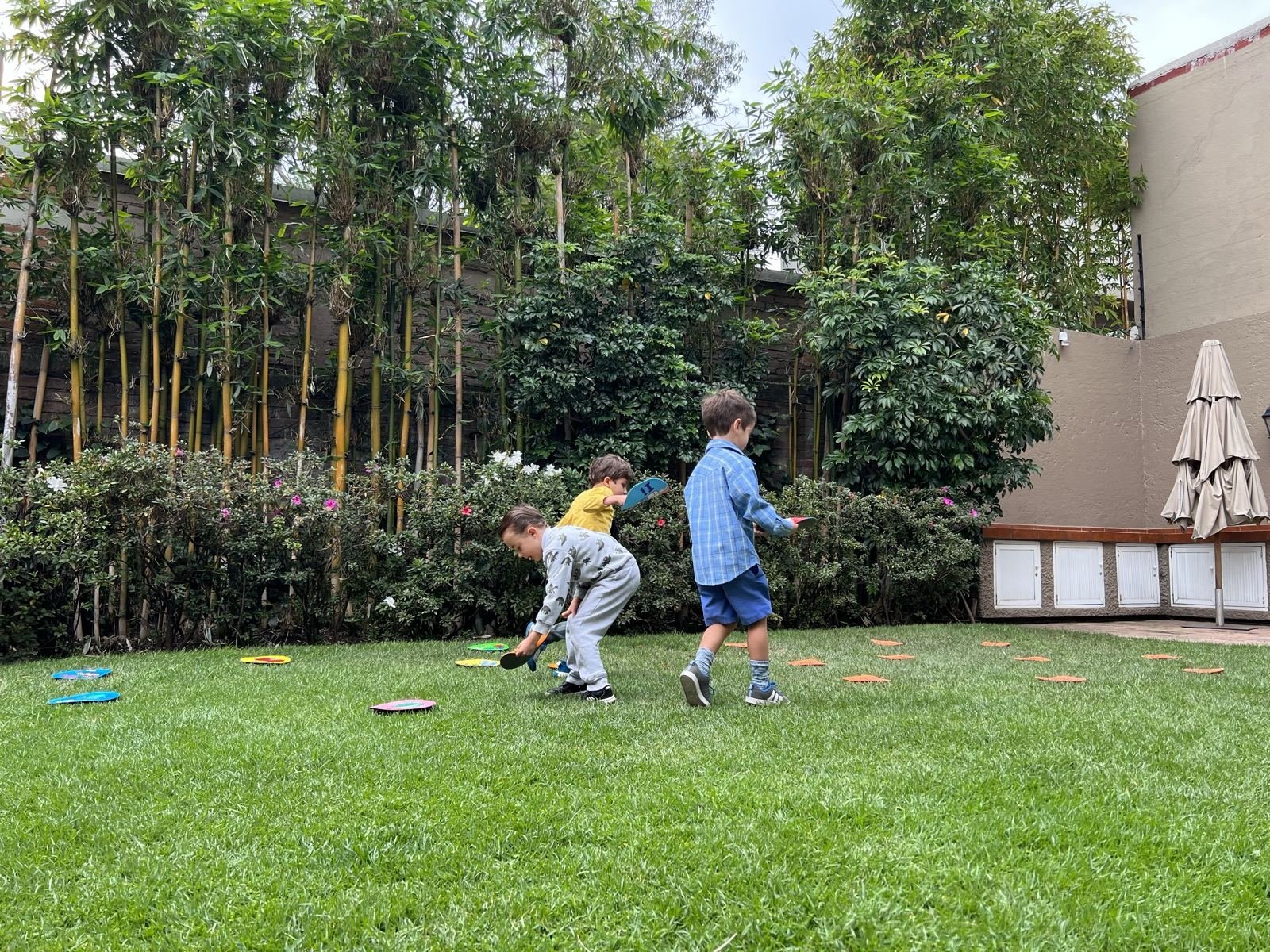
Free, grassy play areas with flowers and fresh air every day, and calm indoor spaces that feel like a second home.

Our graduates leave doing first-grade work, and the leading bilingual schools in Mexico City know it.
Children may join at any point of the year.
First steps away from home: songs, stories and routines, all in English.
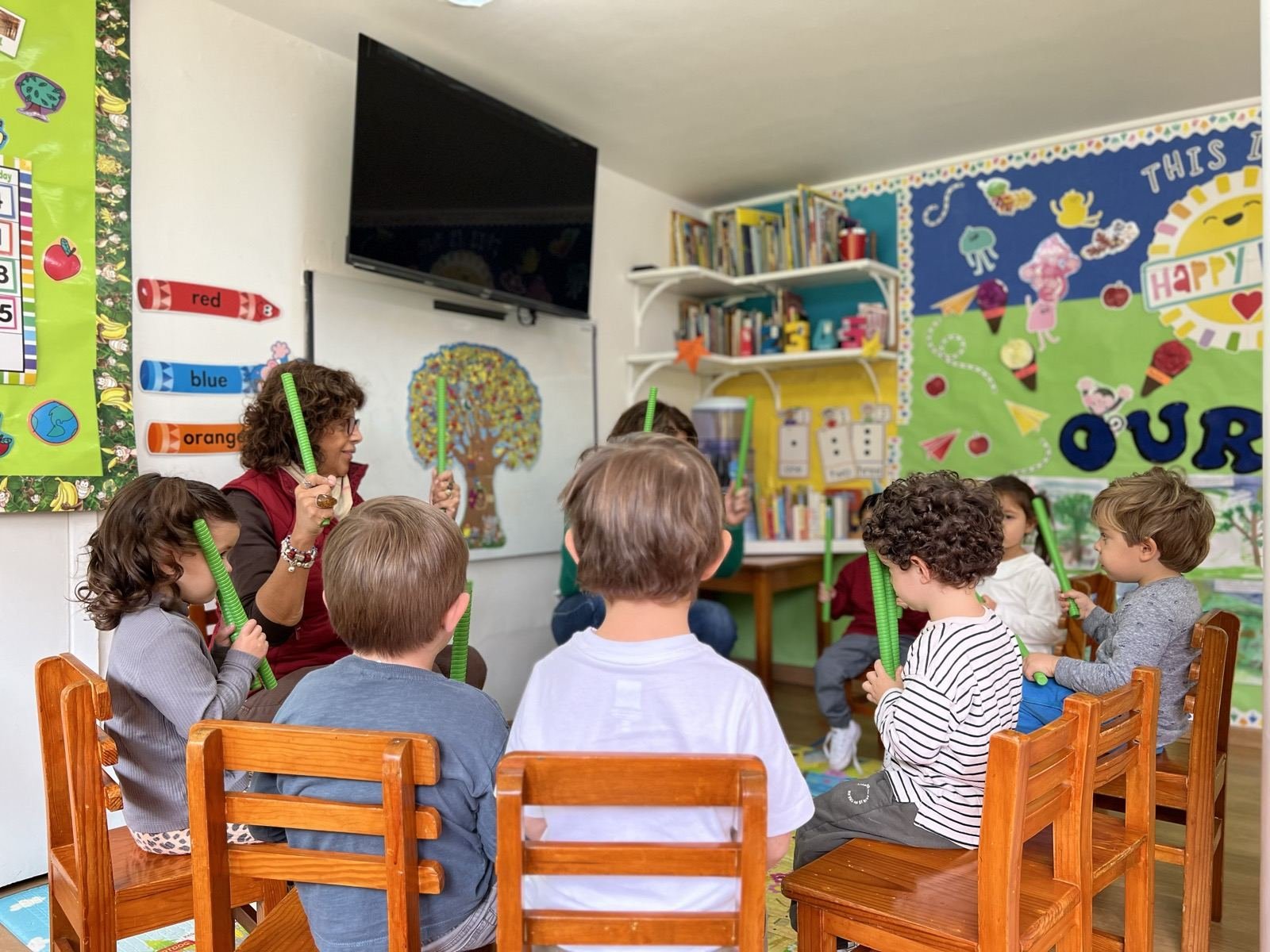
Vocabulary through play, music and the first phonetic sounds.

Letters and numbers. They read their first words and write their names.

Reading sentences, early math and projects on the smart board.
A bridge year before first grade. They move up a level instead of repeating one.
STEAM (science, technology, engineering, art and music), English conversation, enrichment activities and physical education. No textbooks: each child works with sheets chosen for them.
Something indoors, then something fun outdoors, all morning.
Songs, the calendar and what everyone did last night. In English from minute one.
Two or three children with the teacher while the rest build, read or solve puzzles.
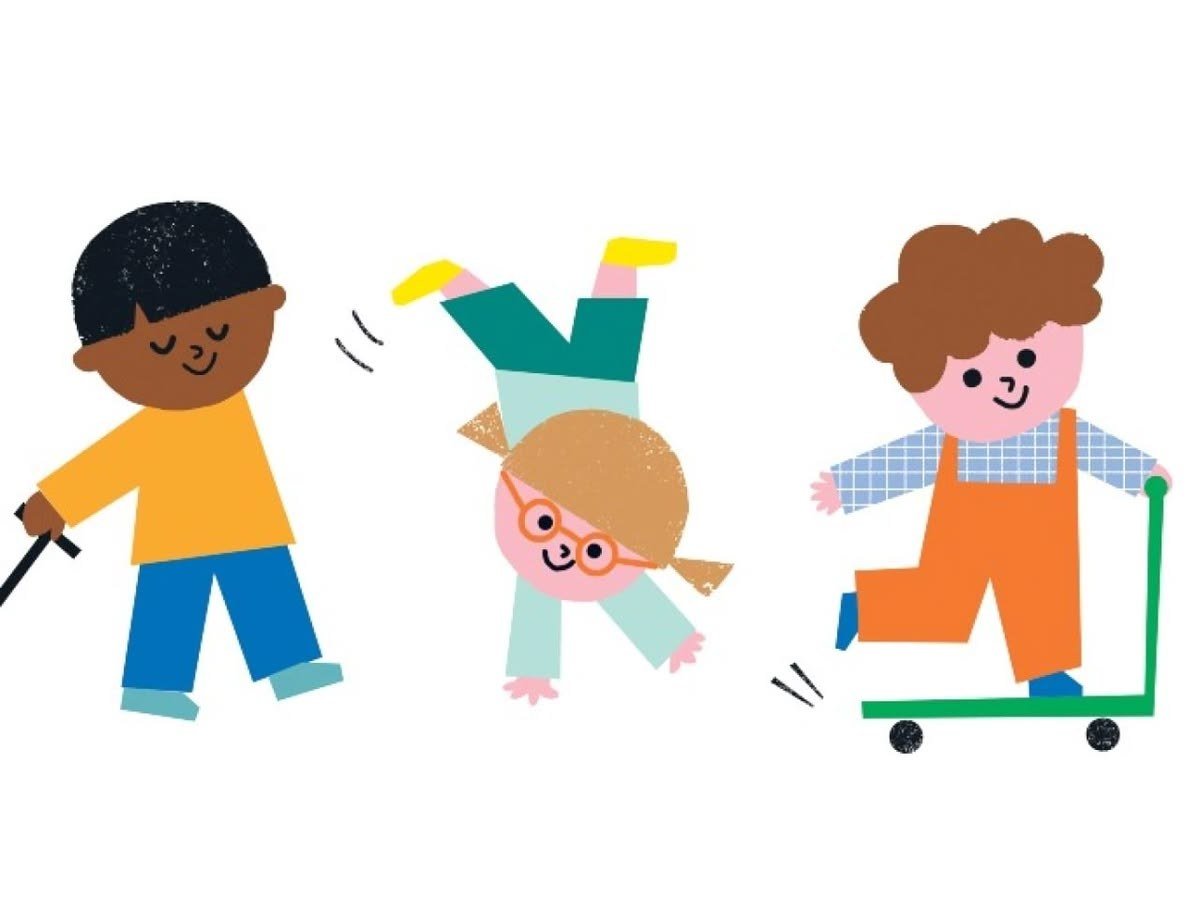
Games on the lawn: coordination, taking turns and learning new vocabulary.
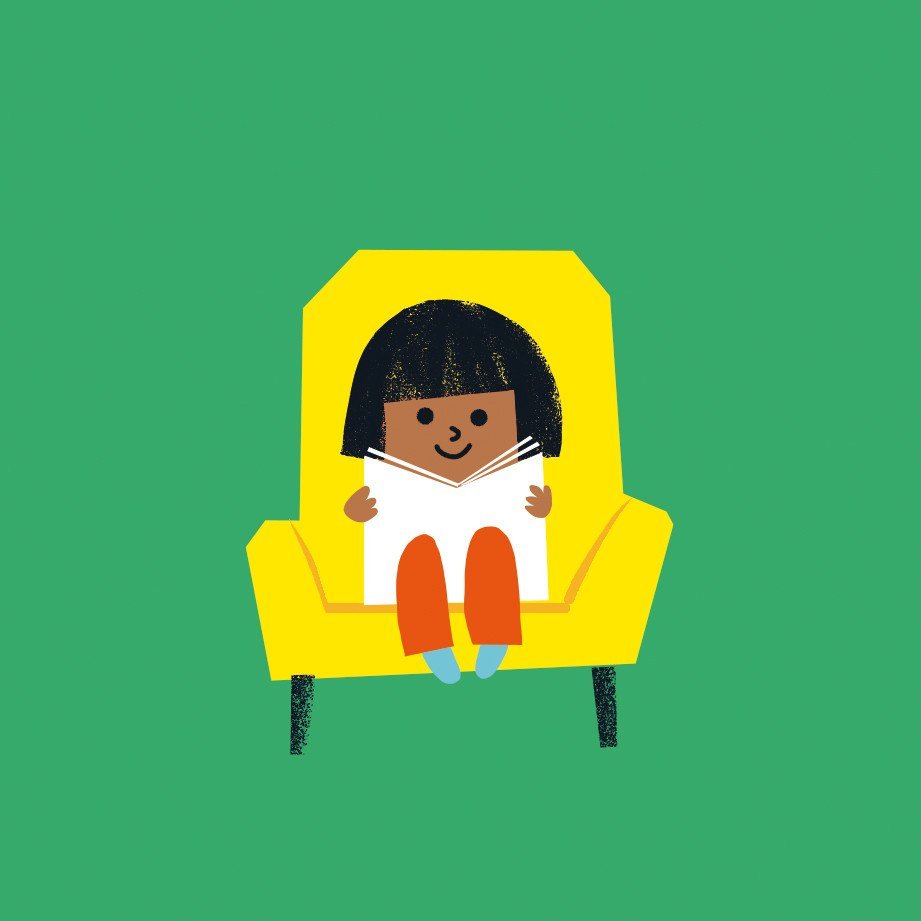
From sounds to words to sentences, one step at a time.

A room of their own for music, yoga, and art projects.
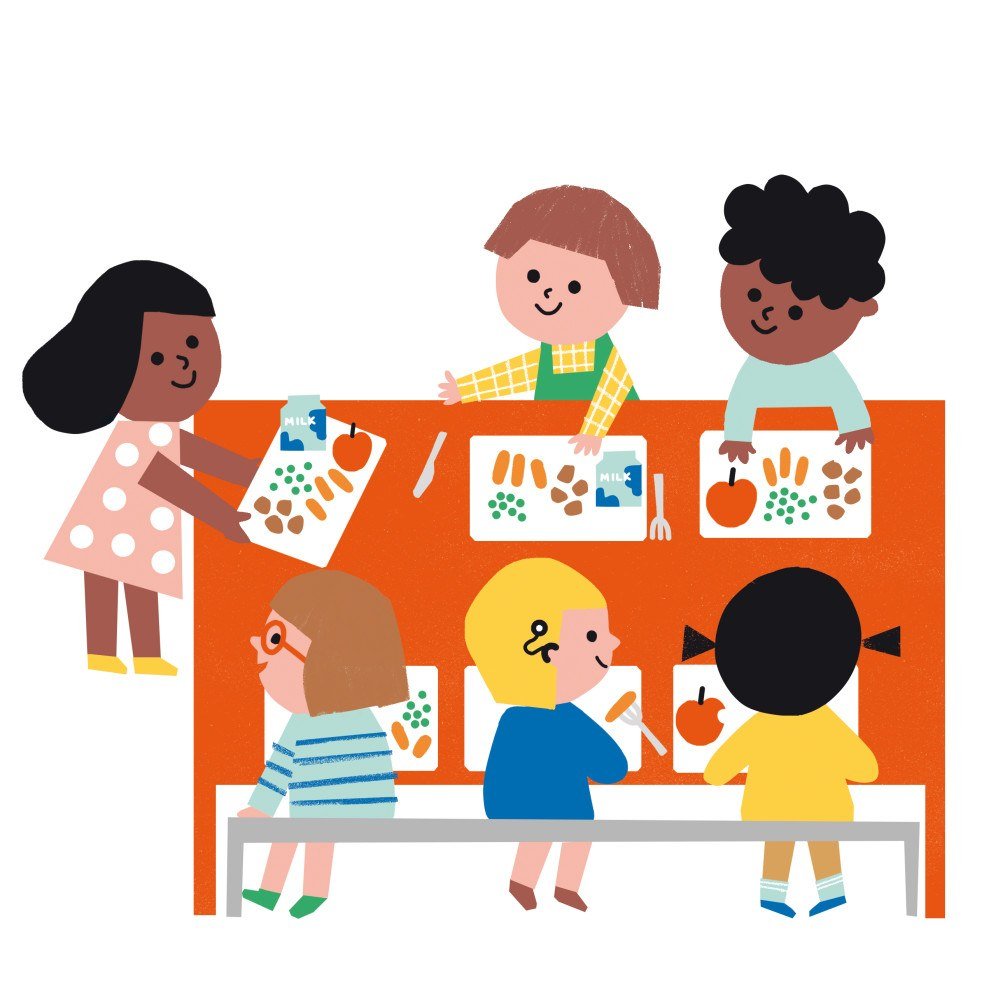
They tidy their own space. Lunch is in the garden when the weather allows.
Since the pandemic many families chose small playgroups. The children were happy. Then first grade arrived.
| Aspect | At The Roath's School | In a typical playgroup |
|---|---|---|
| Who teaches | Teachers with 27 to 30+ years in the classroom | A caring adult, often without teaching background |
| What they learn | A full preschool program in English, phonics to reading | Songs, colors and numbers through free play |
| Groups | Five levels by age | Mixed ages in one room |
| Progress | A personal plan for each child | Everyone does the same activity |
| First grade | They arrive well prepared and speaking English | The entrance evaluation is a shock |
We cost more than a playgroup and give a lot more. We offer scholarships to families who are the right fit; ask during your visit.
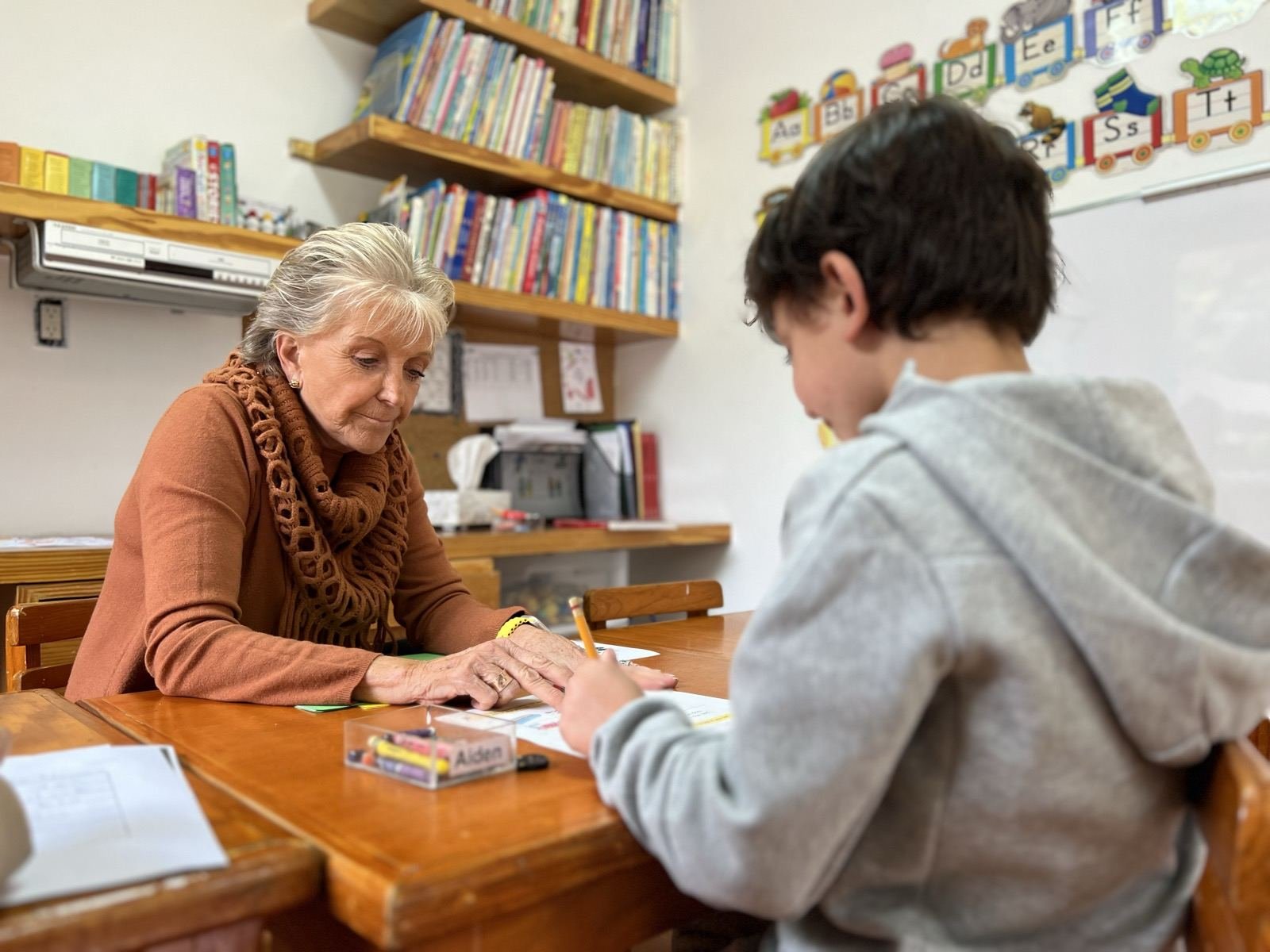
Linda Roath opened the school with her mother in 1970 and has taught since she was nineteen. She still teaches Pre-First every morning.
Many of today's students are the children, and grandchildren, of children she taught.
Our goal is to make this first school experience a happy, positive one. Gentle beginnings, lasting confidence.
Linda Roath, founder and Pre-First teacher
Teacher Linda, Teacher Carol, Teacher Doris, Teacher Yvonne and Teacher Grace. Well over a century in the classroom between them.
Our families value their privacy, and so do we. Every photo shows the school as it is, with the children seen from behind.

No. Most children arrive with no English. In a few months they understand everything; soon after, they answer back.
Very likely yes. Children with autism, Down syndrome, hearing loss and ADHD have learned here in regular groups.
No. We like to meet the parents, but your child's level won't make a difference.
Yes. Each child starts from where they are.
To the leading bilingual and bicultural schools in Mexico City. Their first-grade teachers ask for our children by name.
A year for six to seven-year-olds who need one more year before first grade. They move up a level instead of repeating K-3.
Visits are at 9:00 a.m., Monday to Thursday, one family per day.